Why Are Water Heaters Important?
One of the core conveniences of the modern home, water heaters work hard behind the scenes for our dishwashers, showers, washing machines and more. In the Greater Lansing area, where winter temperatures regularly drop below freezing and seasonal weather patterns create significant fluctuations in water temperature and demand, having a reliable water heater is essential for year-round comfort.
Choosing the right water heater for your home can significantly impact energy efficiency and comfort. Here are the primary types:
- Tank Water Heaters: The most common type, these heaters store a large volume of hot water in an insulated tank. They are available in electric, gas, and propane models. While they provide a steady supply of hot water, they can take up considerable space and may lead to higher energy bills due to standby heat loss.
- Tankless Water Heaters: Also known as on-demand water heaters, these units heat water directly as it flows through the system. They are energy-efficient since they don’t require a storage tank, meaning you only heat water when needed.
- Heat Pump Water Heaters: Utilizing electricity to move heat from the air to heat water, these systems are highly efficient. They can significantly lower energy costs but require more space and a suitable environment, as they perform best in moderate climates.
- Condensing Water Heaters: Designed for high-efficiency, these gas heaters capture and reuse exhaust gases that would otherwise escape, making them suitable for homes that use natural gas.
When selecting a water heater, several key features should be considered to ensure it meets your needs efficiently and effectively.
- Capacity: For tank heaters, consider the gallon capacity. A larger family will require a higher capacity, typically 40-80 gallons. Tankless units are rated by flow rate; choose one that matches your peak usage.
- Energy Efficiency: Look for the Energy Factor (EF) rating. Higher EF ratings indicate better energy efficiency, saving you money on utility bills. ENERGY STAR certified models are often the most efficient.
- Recovery Rate: This is how quickly a water heater can heat a new supply of water. A higher recovery rate is crucial for households with high hot water demands.
- Fuel Type: Water heaters can be powered by electricity, natural gas, propane, or solar energy. Choose a type that is readily available and cost-effective in your area.
- Temperature Control: Adjustable thermostats allow you to set the desired water temperature, which can enhance safety and efficiency.
- Warranty and Longevity: Check the warranty length and coverage. A longer warranty often indicates a manufacturer’s confidence in their product’s durability.
- Installation Space: Ensure you have sufficient space for the type of water heater you choose, including ventilation needs for gas units.
Understanding these options helps homeowners choose a water heater that aligns with their energy needs and lifestyle.
Contact us:
517-282-4347
Water Heater Repair
There’s nothing like an unexpectedly cold shower that can make it very apparent something may be off with your water heater. Rest assured that Tyler Heating & Cooling’s friendly, experienced staff has you covered.
If you noticed any of the below signs, it may indicate your water heater is in need of service:
- Inconsistent Water Temperature: If your hot water is fluctuating between scalding and lukewarm, it indicates a malfunctioning thermostat or heating element.
- Strange Noises: Banging, popping, or rumbling noises can signal sediment buildup inside the tank, which may require flushing or more serious repairs.
- Water Discoloration: If your hot water appears rusty or discolored, it could mean corrosion inside the tank or pipes, necessitating inspection or replacement.
- Leaks or Puddles: Water pooling around the base of your heater is a clear indicator of a leak. This can lead to significant damage if not addressed promptly.
- Low Water Pressure: If you’re experiencing reduced water pressure when using hot water, it might be due to a blockage or issues within the heater itself.
- Unpleasant Odors: A foul smell, often likened to rotten eggs, can point to bacterial growth in the tank, indicating the need for cleaning or replacement of the anode rod.
- Age: If your water heater is over 10-15 years old, it may be reaching the end of its lifespan and could require repairs or replacement.
During an inspection, our highly-skilled service technicians can determine if the issue is a simple fix, or a sign of a larger problem. They will evaluate the symptoms mentioned above, to diagnose the issue. If your water heater is nearing the end of its life, and if you’ve been experiencing repeated issues, it may be time for a replacement.
For over 20 years, Tyler Heating & Cooling has been providing our customers with efficient, quality service. We prioritize the care of our community’s home comfort needs.
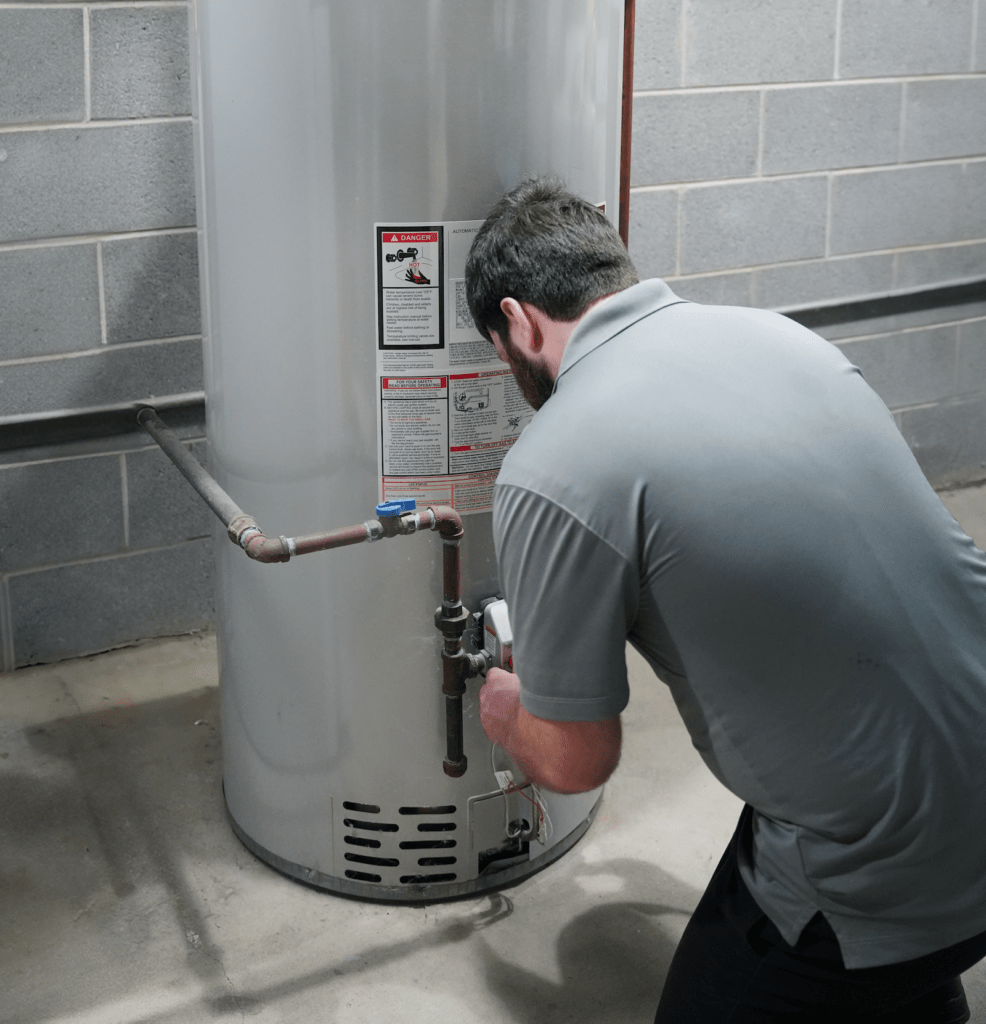
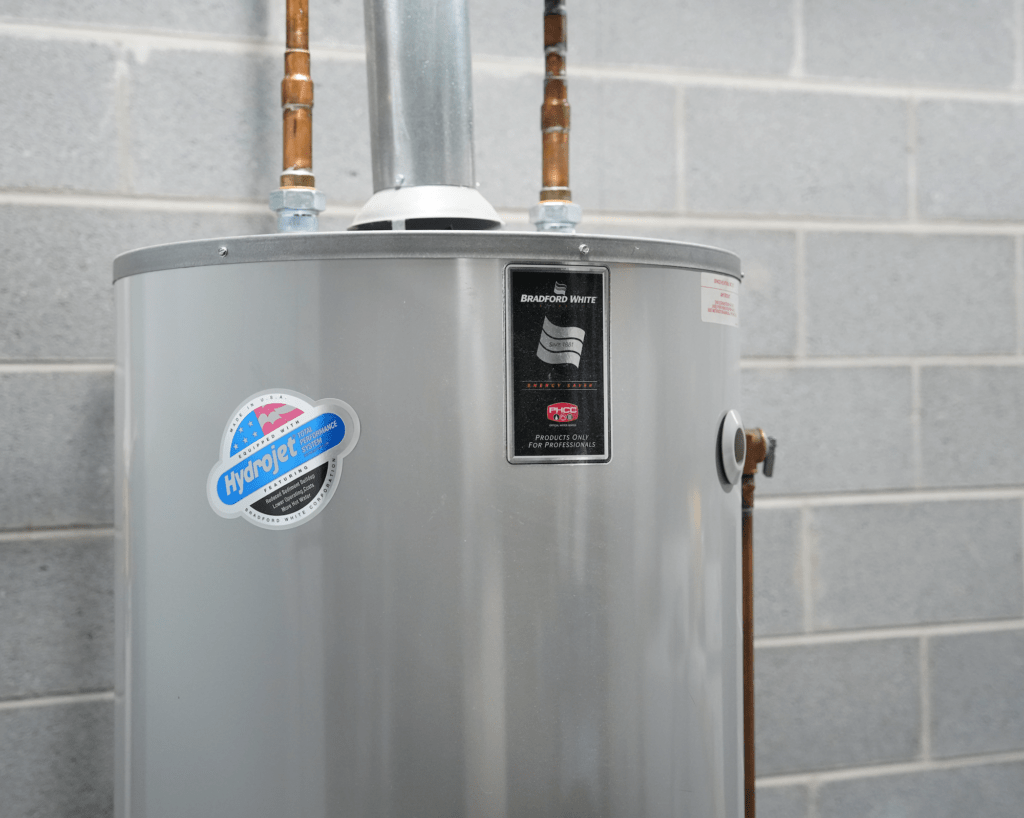
The service and repair technicians at Tyler Heating & Cooling install Bradford White, high-efficiency water heaters, and they work with all major brands.
Water Heater Replacement
Replacing water heater offers numerous benefits that enhance both comfort and efficiency in your home. Modern water heaters are designed to be more energy-efficient, which can significantly reduce your monthly utility bills, especially during Greater Lansing’s long heating season when hot water demand peaks.With advancements in technology, many new models use less energy while providing the same or even better hot water output.
A new water heater also provides improved reliability. Older units are prone to breakdowns and may leave you without hot water when you need it most. Investing in a new system ensures a more dependable supply of hot water for daily activities like showering, cooking, and cleaning.
Another advantage is the enhanced safety features present in newer models. Modern water heaters come equipped with improved insulation reducing heat loss (critical for energy efficiency during cold Greater Lansing winters), automatic shut-off valves, and enhanced pressure relief systems, which reduce the risk of leaks and potential hazards. This is especially important for basement installations in older Lansing-area homes subject to seasonal moisture.
A new water heater can also increase your home’s value. Potential buyers are often attracted to homes with updated appliances, and a new water heater can be a selling point.
Upgrading your water heater not only improves the efficiency and safety of your home but also enhances overall comfort and adds value for the future.
Water Heater Installation
Water heater installation is a crucial step in ensuring your home has a reliable and efficient hot water supply for daily needs. Choosing the right system, whether a tank, tankless, heat pump, or condensing unit, depends on your household size, energy preferences, and available space.
Proper installation by experienced professionals ensures that the unit operates safely, performs at peak efficiency, and stays in compliance with Greater Lansing and Michigan building codes. From correctly connecting water and power or gas lines to setting optimal temperature controls, every detail matters in maximizing performance and longevity. A well installed water heater not only improves comfort but also helps reduce energy costs and minimizes the risk of future repairs. Here’s a quick look at some of the steps in our installation process:
- Site Inspection and Preparation: Our technician inspects your current installation location, checking for adequate space, proper ventilation, and drainage. For Greater Lansing homes with basements subject to moisture, we verify that the installation area is elevated or protected from seasonal water intrusion. We assess whether existing utility connections (water supply, gas line, or electrical panel) meet code requirements and can support the new unit.
- Fuel and Utility Line Assessment: We evaluate your current gas, electrical, or water supply lines to determine if upgrades are necessary. In older homes, gas line sizing may need adjustment, and electrical panels may require capacity increases for electric or heat pump units. We identify any code violations or concerns before proceeding.
- Old Unit Removal and Disposal: We safely disconnect and remove your existing water heater, drain remaining water, and properly dispose of the unit following environmental regulations. For homes with basement units, we take care to prevent water spillage that could complicate drainage in areas prone to moisture issues.
- Connection Preparation: We prepare water supply connections, typically installing a shut-off valve, drain valve, and pressure relief valve. We ensure all connections meet Greater Lansing building codes and account for hard water conditions that may require additional sediment traps.
- New Unit Installation: The new water heater is positioned in its permanent location, ensuring it is level and stable. For basement units, we install the unit on an appropriate platform or stand to protect against seasonal moisture. We verify clearance on all sides meets ventilation and maintenance requirements.
- Utility Connection: Water inlet and outlet lines are connected to the tank with appropriate fittings and unions for future service access. For gas units, we connect the gas line using code-approved materials and perform a pressure test. For electric units, we connect to the appropriate circuit breaker with proper gauge wiring. All connections are tightened and tested for leaks.
- Valve Installation: We install the temperature and pressure relief valve as required by code, with discharge piping that safely directs water away from the unit. This critical safety component is essential for all installations in the Greater Lansing area.
- Final Inspection: We perform a final visual inspection, verify all connections are secure, and confirm the unit operates correctly. We ensure the installation meets Greater Lansing building codes and any local requirements for basement or outdoor installations.
Give us a call if you feel your water heater may be in need of service, and we’ll be happy to provide you with our expert advice.
Frequently Asked Questions
Sediment accumulation at the bottom of the tank causes popping and rumbling sounds, which is common in Mid-Michigan due to our water mineral content. Flushing the tank removes this buildup and can extend the unit’s life and improve efficiency.
Small leaks around connections may be tightenable, but leaks from the tank itself indicate the unit needs replacement. Contact our team right away, as continuing to operate a leaking heater can cause water damage to your home.
Rust in the water usually means your water heater’s interior is corroding, or sediment is being stirred up during flushing. This is common in older units and signals that replacement may be needed soon to prevent further deterioration.
Distance from the water heater to your fixtures and undersized supply lines cause delays. Installing a recirculation pump or insulating hot water pipes can significantly reduce wait times, which is particularly helpful in larger homes or those with bathrooms far from the heater location.
Signs include age over 10 years, persistent leaking, insufficient hot water, rust in the water, or frequent repairs. Our technicians can diagnose the issue and recommend whether repair or replacement makes sense for your home.
Most conventional water heaters have a functional lifespan of 8 to 12 years, though some quality units last longer. In Michigan’s climate, mineral buildup and corrosion can shorten lifespan, which is why regular maintenance and annual flushing are especially important. Tankless units typically last 15 to 20 years, significantly longer than conventional tank models. The main drawback is that they are also more expensive.
Signs include age over 10 years, persistent leaking, insufficient hot water, rust in the water, or frequent repairs. Our technicians can diagnose the issue and recommend whether repair or replacement makes sense for your Greater Lansing home.
Tank water heaters store and continuously heat water, while tankless models heat water on-demand as it flows through the system. Tankless units take up less space and can reduce energy consumption, but they may require upgraded gas lines or electrical capacity, which our team can evaluate for your Lansing-area home.
We recommend annual maintenance for all water heaters, especially in Mid-Michigan where mineral content is higher. Annual flushing, inspection, and anode rod checks prevent costly repairs and extend equipment life significantly.
Flushing the tank annually, checking the temperature and pressure relief valve yearly, keeping the area around the heater clear, and monitoring water quality are key preventive steps. These actions are particularly important for Greater Lansing homeowners dealing with Michigan’s mineral-rich water and temperature extremes.
The right size depends on your household’s peak hot water demand. For typical families in the Greater Lansing area, a 40 to 60-gallon tank is standard, though this varies based on the number of occupants and simultaneous usage patterns. Our technicians can assess your home’s specific needs during a free consultation to recommend the ideal capacity.
Regular maintenance like annual flushing, insulating the tank and pipes boost efficiency. For homes in Greater Lansing experiencing harsh winters, these steps help reduce energy waste and maintain consistent hot water availability.
Still have questions?
Give us a call
Highly-rated customer satisfaction
