Why Are Gas Furnaces Important?
Keeping your home or business warm during the winter is absolutely vital, especially when Greater Lansing’s Midwest temperatures plummet to well below zero. Mid-Michigan experiences some of the harshest heating seasons in the country, with winter temperatures regularly dropping to 10 to 20 degrees below zero and significant snowfall putting stress on homes and HVAC systems. Gas furnaces are the workhorse of heat distribution in your home, and we ensure they’re operating properly to handle the extended heating season that typically runs from November through March in our area.
It’s important to know the different types of furnaces available, and how they may be suitable to your specific needs:
- Natural Gas Furnaces: These are popular for their efficiency and cost-effectiveness. They burn natural gas to heat air, which is then distributed throughout the home.
- Propane Furnaces: Similar to natural gas furnaces, propane models are suitable for homes in rural areas. They offer high efficiency but depend on a steady supply of propane.
- Wood-Burning Furnaces: For those seeking a more traditional or eco-friendly option, wood-burning furnaces provide a renewable heat source. They require a steady supply of wood and more labor for upkeep.
- Electric Heat Pumps: While not a furnace in the traditional sense, heat pumps can both heat and cool a home. They extract heat from the outside air and transfer it indoors, making them versatile and energy-efficient.
Choosing the right furnace depends on your home’s heating needs, local fuel availability, and personal preferences. Each type has its own advantages and considerations, making it essential to assess your situation carefully. Some key features of furnaces include:
- Energy Efficiency Ratings: Furnaces are often rated by their Annual Fuel Utilization Efficiency (AFUE), which indicates how effectively they convert fuel into heat. Higher ratings mean lower energy bills. For Greater Lansing homeowners operating furnaces 5 to 6 months per year, even small efficiency improvements translate to annual savings.
- Variable Speed Blowers: These allow for better air circulation throughout the home, reducing noise and improving energy efficiency by adjusting the flow of air based on heating demand.
- Smart Thermostats: Many modern furnaces can be integrated with smart thermostats that optimize heating schedules based on user habits and preferences, promoting energy savings.
- Zoning Systems: Some furnaces can be combined with zoning systems that allow different areas of a home to be heated to varying temperatures, enhancing comfort and efficiency. For two-story Mid-Michigan homes, zoning prevents excessive heat loss from upper floors and ensures basements (where furnaces are commonly located) maintain proper humidity control.
- Multi-Fuel Capability: As mentioned above, certain models can operate on different fuel sources, such as natural gas, propane, or electricity, providing flexibility depending on availability and cost.
- Safety Features: Advanced safety controls, such as flame sensors, carbon monoxide detectors, and automatic shut-off mechanisms, are crucial for preventing hazards.
- Quiet Operation: Improved insulation and advanced engineering reduce noise levels, making for a more peaceful home environment.
These features not only promote efficient heating but also enhance user experience and safety, making modern furnaces a vital component of home comfort.
Contact us:
517-282-4347
Gas Furnace Repair
Recognizing the signs that your furnace needs repair can save you from costly damage and ensure your home remains warm. Here are key indicators to watch for:
- Strange Noises: If your furnace emits unusual sounds like banging, clanking, or squeaking, it could indicate loose components or mechanical issues.
- Inconsistent Heating: If some rooms are warm while others remain cold, your furnace may struggle to distribute heat evenly due to ductwork issues or a failing blower.
- Increased Energy Bills: A sudden spike in your heating bills can signal that your furnace is working harder than usual, possibly due to inefficiency or a malfunction.
- Frequent Cycling: If your furnace turns on and off more frequently than normal, it might be short cycling due to a thermostat problem or airflow obstruction.
- Dust and Allergens: An increase in dust or allergens in your home can indicate that your furnace’s filters are clogged or that it is not functioning properly.
- Foul Odors: A burning smell can mean that dust is burning off, but persistent odors, especially gas smells, require immediate attention.
If you notice any of these signs, it’s essential to contact a professional to diagnose and repair your furnace.
At Tyler Heating & Cooling we specialize in the service of gas furnaces. If your gas furnace isn’t keeping up with the cold, our experienced team of HVAC technicians will respond quickly to ensure your heating needs are met.
During an inspection, our highly-skilled service technicians can determine if the issue is a simple fix, or a sign of a larger problem. They will evaluate the symptoms mentioned above, to diagnose the issue. If your furnace is nearing the end of its life, and if you’ve been experiencing repeated issues, it may be time for a replacement.
For over 20 years, Tyler Heating & Cooling has been providing our community with efficient, quality service. We prioritize the care of our community’s home comfort needs.
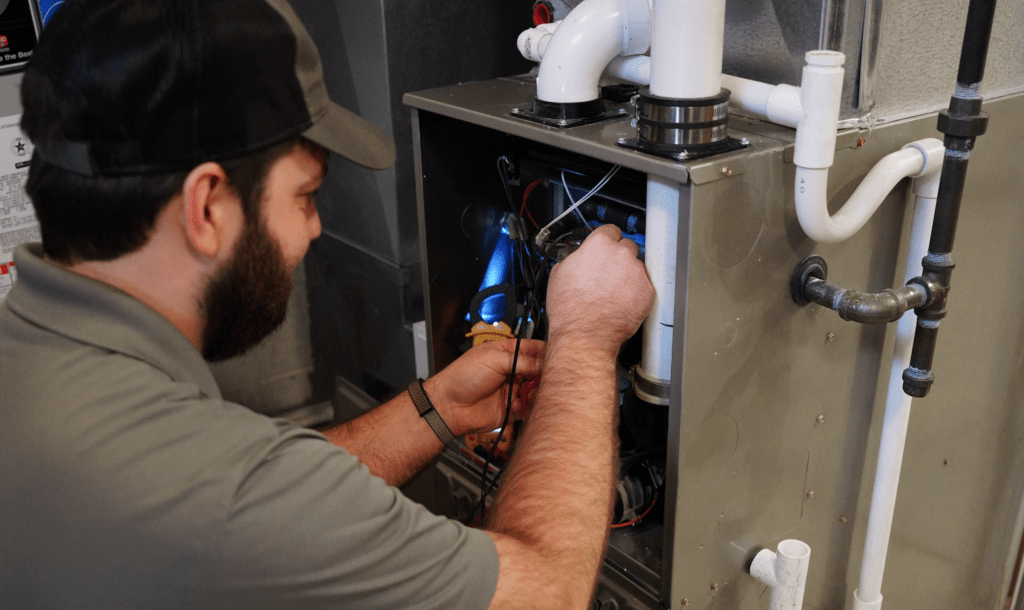
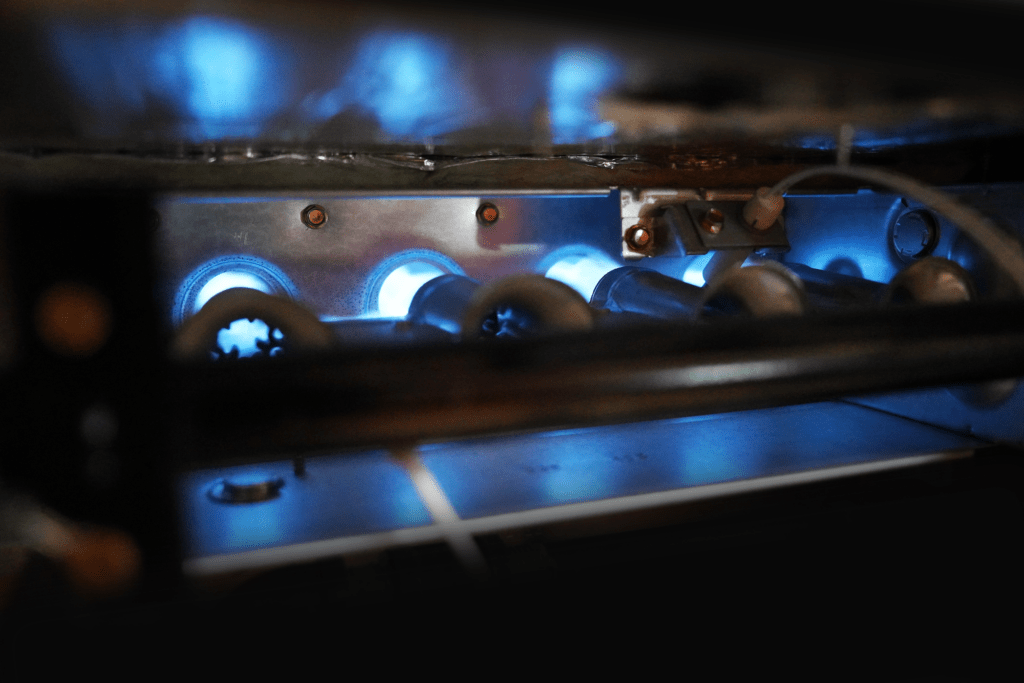
Tyler Heating & Cooling installs quality, high-efficiency furnaces, ensuring our customers have the heat they need during the colder seasons. We service all major brands.
Gas Furnace Replacement
Investing in a new furnace enhances the comfort, efficiency, and safety in your home.
A new furnace operates at a higher efficiency rating, which translates to lower energy bills. Modern furnaces are designed to convert more fuel into usable heat, reducing waste and saving you money in the long run.
New models often incorporate advanced technology, such as smart thermostats and variable-speed blowers. These features allow for precise temperature control, maintaining consistent comfort throughout your home and reducing temperature fluctuations.
Upgraded furnaces also offer improved air quality. Many come equipped with advanced filtration systems that can reduce allergens and pollutants. For families in Greater Lansing spending 5 to 6 months in heated homes with closed windows and doors, superior filtration can provide a healthier living environment
A new furnace also enhances reliability. Older systems are prone to breakdowns, especially during peak winter months when Greater Lansing experiences its coldest temperatures and highest heating demand. A new unit reduces the likelihood of unexpected repairs, ensuring your home stays warm when it matters most.
Gas Furnace Installation
A properly installed gas furnace is essential for keeping your home warm, energy-efficient, and safe during colder months in Greater Lansing. Professional installation ensures your system is correctly sized for Mid-Michigan’s climate, securely connected, and optimized for peak performance from day one. With expert handling, you can avoid common issues like uneven heating, frequent breakdowns, or unnecessary energy costs.
If your gas furnace isn’t keeping up with the cold, our experienced team of HVAC technicians will respond quickly to ensure your heating needs are met. Here are some steps we take during the installation process:
- Pre-Installation Assessment: Our technicians evaluate your furnace location, checking basement accessibility, ceiling height, doorway widths for delivery, foundation stability, and existing utility locations. We verify the area is dry and plan efficient routing for connections. We examine the furnace cabinet, combustion chamber, heat exchanger, and all visible connections for signs of corrosion, rust, or damage. In Mid-Michigan’s basements where moisture is common, we pay special attention to rust formation that may indicate inadequate humidity control.
- Removal of Existing Furnace: We safely shut off gas and electrical power, then disconnect and cap the gas line, disconnect electrical supply and ductwork, drain residual water, and carefully remove the old unit using proper lifting techniques. We clean the area before positioning the new furnace.
- New Furnace Installation: We level the furnace using shims or leveling compound to prevent condensation issues and ensure efficiency. We verify adequate clearance for filter changes and service access, confirm the location is dry, and secure the unit per manufacturer specifications.
- Gas and Electrical Connections: We connect the furnace to your gas supply with proper fittings, pressure test the system, and check connections with soapy water for leaks. We upgrade gas lines if needed for older homes and connect electrical wiring to your panel with proper grounding.
- Ductwork Installation: We connect and seal ductwork, wrap exposed sections with insulation if needed, verify proper exhaust venting, and install and test the condensate drain line.
- System Configuration: We install high-quality air filters, explain replacement intervals, position the thermostat away from exterior walls and sunlight, and configure smart thermostats if applicable.
- Safety Testing and System Verification: We verify startup, test all safety features, measure supply air temperature, confirm blower operation, check for carbon monoxide leaks, and perform final gas pressure tests. We conduct a walkthrough explaining operation and maintenance, so homeowners can feel confident with their new furance.
At Tyler Heating, our experienced technicians provide reliable gas furnace installation tailored to your home’s specific needs. We focus on quality workmanship, efficient system setup, and long-term performance so you can enjoy consistent comfort and peace of mind. Whether you’re upgrading an old unit or installing a new system, we’re here to deliver dependable results you can count on.
Give us a call if you feel your gas furnace may be in need of service. We’ll be happy to provide you with our expert advice.
Frequently Asked Questions
Loud metallic banging sounds typically indicate heat expansion in ductwork as the furnace cycles on. Minor duct noise is normal, but excessive banging suggests loose ductwork or duct sections that need securing. Rumbling noises may indicate a dirty burner assembly that needs professional cleaning, sediment in the gas line, or a failing blower motor. High-pitched squealing usually means the blower fan needs lubrication or is wearing out. In Greater Lansing homes, temperature swings between seasons can aggravate duct movement and loose connections. While some furnace sounds are harmless, unexplained noises should be evaluated by a professional technician to prevent component failure during Mid-Michigan’s cold months.
Short cycling occurs when your furnace turns on briefly, shuts off, then restarts the cycle repeatedly, wasting fuel and wearing components prematurely. Common causes include a clogged air filter restricting airflow, an improperly calibrated thermostat, or a furnace that is oversized for your Greater Lansing home. Ductwork leaks that allow heated air to escape also trigger constant cycling as the system struggles to reach temperature. A faulty limit switch or flame sensor can cause the furnace to shut off prematurely. In Mid-Michigan’s variable winter conditions, short cycling reduces comfort and efficiency significantly. A professional technician can diagnose the cause and correct the problem, whether it requires filter replacement, thermostat adjustment, duct sealing, or component repair.
First, check that your thermostat is set to heat mode and the temperature setting is above the current room temperature. Verify your gas supply hasn’t been shut off and that the furnace’s power switch is on. If your system has a pilot light, check if it’s lit. If these basic checks don’t restore heat, avoid attempting further repairs yourself and call a professional, especially during Greater Lansing’s subzero cold snaps. Continuing to use a malfunctioning furnace can be dangerous. Keep your home at 55 degrees minimum to prevent frozen pipes while waiting for service, and consider opening cabinet doors under sinks to maintain water pipe temperature.
Furnaces typically last 15 to 20 years with proper maintenance. If your system is under 10 years old, repair individual components when they fail. Between 10 and 15 years, weigh repair costs against replacement value, a decision your HVAC contractor can help guide. Furnaces older than 15 years in the Greater Lansing area often become unreliable and inefficient through multiple heating seasons. Consider replacement if your furnace frequently needs repairs, produces unusual noises, shows rust or corrosion, or leaves cold spots in your home. High-efficiency newer models save energy and provide reliable heat throughout Mid-Michigan winters, while aging systems consume more fuel and risk unexpected failure during critical cold snaps.
Single-stage furnaces operate at full capacity when running, turning completely on or off based on thermostat settings. Multi-stage furnaces (two-stage or variable-capacity models) modulate their output, running at lower capacity most of the time and reaching full power only during extreme cold. In Mid-Michigan’s variable winters, multi-stage furnaces provide better comfort consistency and operate more efficiently by avoiding energy-wasting full-power cycles on milder winter days. They also maintain more stable indoor temperatures and reduce drafts and hot spots. Multi-stage systems cost more upfront but often provide better performance and energy savings throughout Greater Lansing’s extended heating season.
Mid-Michigan’s harsh winters, with temperatures often dropping below zero, place significant strain on heating systems. A pre-season tune-up in fall ensures your furnace operates efficiently before the coldest months arrive. This service includes cleaning burners, checking gas connections, inspecting heat exchangers, and testing safety controls. Regular maintenance prevents unexpected breakdowns during peak heating season when service calls are backed up and temperatures are most dangerous. Furnaces in the Greater Lansing area also accumulate dust and debris from regional air conditions, making fall maintenance essential for reliable performance through March and April.
During the heating season in Mid-Michigan, you should check your furnace filter every month and replace it every 1 to 3 months, depending on your home’s conditions. Homes with pets, smokers, or elevated dust levels need more frequent replacements. In winter, furnaces run constantly, causing filters to clog faster than during mild months. A dirty filter restricts airflow, reducing efficiency and forcing your system to work harder, which increases energy consumption and wear. Checking monthly is a simple task that improves air quality, extends furnace life, and maintains consistent warmth throughout the Greater Lansing area’s long heating season.
An improperly sized furnace wastes energy and fails to maintain comfort during Mid-Michigan winters. Furnaces that are too small cannot heat your home adequately during zero-degree days, while oversized systems cycle on and off frequently, wasting fuel and causing uneven temperatures. A qualified HVAC contractor determines correct sizing by calculating your home’s heating load, considering factors like insulation, square footage, window orientation, and local climate data for the Greater Lansing area. You should never estimate furnace size or rely on age and model of your old system. Professional load calculations ensure your replacement furnace efficiently handles your home’s actual heating demands throughout the cold season.
In Mid-Michigan winters, furnaces dry indoor air significantly, creating humidity levels below 30 percent. This low humidity can cause discomfort, increase static electricity, and make colds spread more easily. Some homeowners add humidifiers to their HVAC systems to maintain healthy humidity levels between 30 and 50 percent. However, excessive humidity in winter is also problematic, as it promotes condensation on windows and mold growth. A properly sized and functioning furnace with good ductwork balance helps maintain appropriate moisture levels. If you notice severe dryness or condensation issues in your Greater Lansing home, a professional should evaluate your system’s performance and indoor air conditions.
Several actions enhance furnace efficiency in the Greater Lansing area. Replace filters regularly so your system doesn’t overwork. Seal air leaks around windows, doors, and ductwork to prevent heated air from escaping. Ensure your attic insulation meets current standards, as proper insulation reduces heating demands during Mid-Michigan winters. Maintain consistent thermostat settings rather than making large adjustments, and consider a programmable thermostat that lowers temperature automatically at night and when away. Have your furnace serviced annually to keep burners clean and components functioning optimally. Improved insulation, controlled ventilation, and regular maintenance together maximize heating efficiency and comfort through the long cold season.
Still have questions?
Give us a call
Highly-rated customer satisfaction
