What Are Air Filters?
Air filters are essential components of your furnace and air conditioning systems, playing a crucial role in maintaining indoor air quality and system efficiency throughout Mid-Michigan’s challenging seasons. In the Greater Lansing area, where winters bring heavy snow and humidity, and summers can create moisture-rich conditions ideal for mold growth, proper air filtration becomes even more essential. Clogged filters can restrict airflow, causing your HVAC system to work harder during our intense heating season or demanding summer cooling periods, leading to higher energy bills.
Using the right filter can enhance the performance and lifespan of your HVAC system, ensuring a comfortable and healthy living environment. By making air filter maintenance a priority, you not only improve air quality but also save on energy costs and extend the longevity of your heating and cooling equipment.
Furnace and air conditioner air filters are essential for maintaining indoor air quality and system efficiency. Here are the main types:
- Pleated Filters: Made from polyester or cotton, pleated filters have a larger surface area that traps more particles. They have a higher MERV rating and are better at filtering dust, pollen, and pet dander.
- HEPA Filters: High-Efficiency Particulate Air (HEPA) filters can trap 99.97% of particles as small as 0.3 microns. They are ideal for allergy sufferers but may require a compatible HVAC system due to their density.
- Electrostatic Filters: These filters use static electricity to attract particles. They are reusable and can be washed, making them a cost-effective and eco-friendly option.
- Carbon Filters: Often used alongside other filters, carbon filters excel at removing odors and volatile organic compounds (VOCs) from the air. They are beneficial in homes with pets or smokers.
- Washable Filters: These filters can be cleaned and reused, reducing waste. However, they may not provide the same level of filtration as disposable options.
- UV Filters: While not traditional filters, UV filters use ultraviolet light to kill bacteria and viruses, improving air quality and system hygiene.
Choosing the right filter depends on your specific needs, including allergies, pets, and overall air quality concerns.
Contact us:
517-282-4347
Air Filter Replacement
If you’re wondering whether it’s time to replace your furnace and air conditioner air filter, several signs can help you make that determination:
- Visible Dirt or Discoloration: If you can see a build-up of dirt or grime on the filter, it’s time to replace it.
- Reduced Airflow: If you notice weak airflow from your vents, a clogged filter could be obstructing air circulation.
- Frequent System Cycling: If your furnace or air conditioner turns on and off frequently, it might be struggling due to a blocked filter.
- Dust and Allergens: An increase in dust around your home or heightened allergy symptoms may suggest the filter isn’t trapping particles effectively.
- Unpleasant Odors: A musty or burnt smell can indicate a dirty filter that’s allowing dust and mold to accumulate.
- HVAC System Noise: Unusual sounds from your system can signal stress caused by an obstructed filter.
- Longer Heating/Cooling Times: If your system takes longer than normal to reach the desired temperature, a dirty filter may be the culprit.
- Indicator Lights: Some modern systems have alert lights that indicate when the filter needs replacing.
- Monthly Maintenance Reminder: If you haven’t changed your filter in a month or more, it’s likely due for a replacement.
- Increased Energy Bills: A spike in your energy costs may indicate that your HVAC system is working harder due to a dirty filter.
Regular filter changes can prevent costly repairs. A well-maintained system is less likely to experience breakdowns, as clean filters reduce strain on components.
New filters can help maintain consistent temperatures throughout your home, improving overall comfort. They also reduce unpleasant odors by filtering out pollutants and stale air.
Using high-quality, specialized filters can further enhance protection against specific contaminants, such as bacteria and viruses, making your home not just comfortable, but safer as well. By investing in a new HVAC air filter, you’re taking a proactive step towards a healthier and more energy-efficient home.
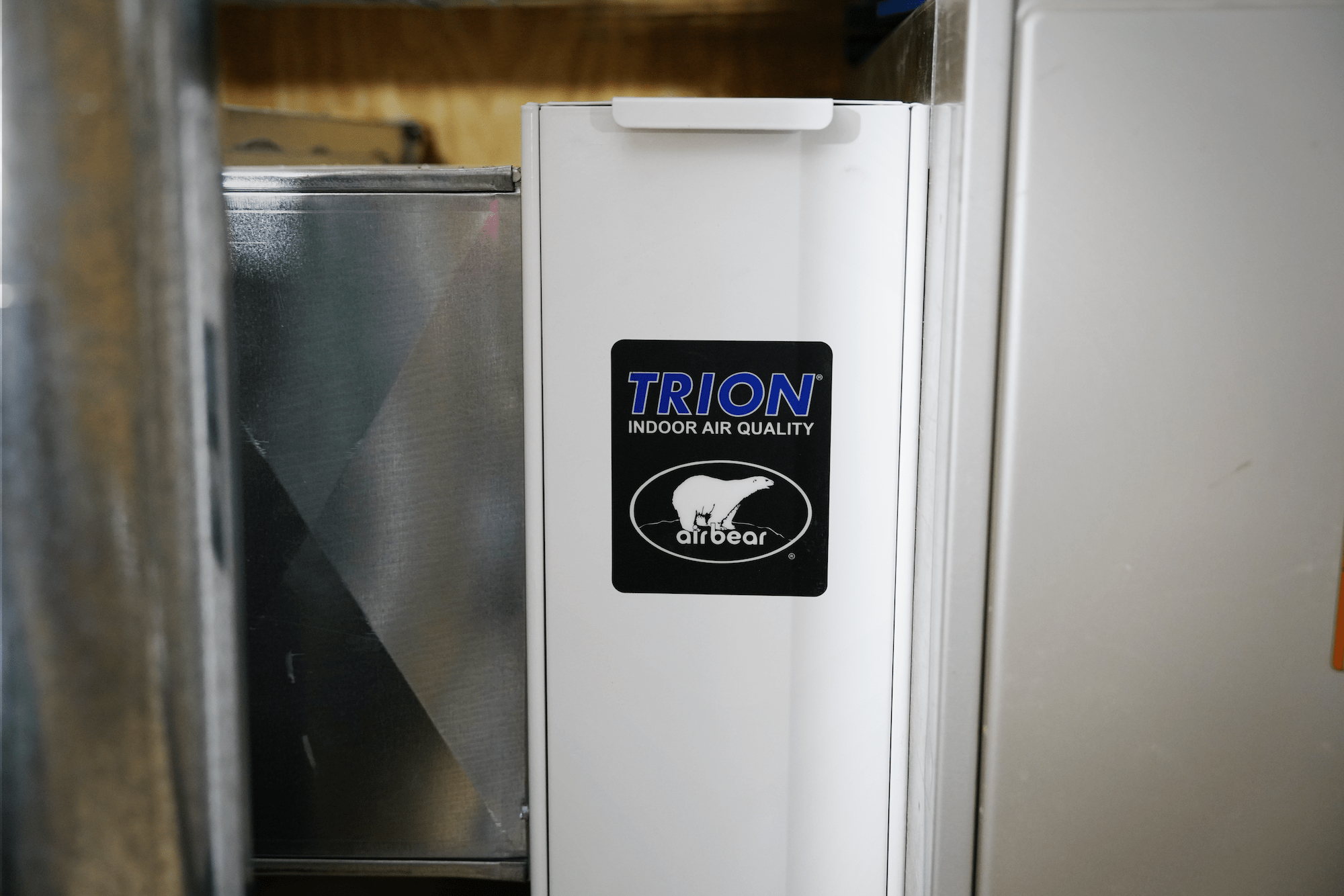
Tyler Heating & Cooling ensures every installation has a proper duct system with high quality air filtration. These builds are critical to ensuring there is proper air flow with your furnace or air conditioning unit.
Air Filter Optimization
One upgrade to consider is an HVAC air purifier. While we at Tyler Heating & Cooling don’t always think air purifiers are necessary, they can bring you peace of mind about your indoor air quality, especially in spaces where people spend a significant amount of time. These purifiers integrate directly with an existing HVAC system, allowing them to filter and cleanse the air that circulates throughout the home or office.
Using advanced filtration technologies, such as HEPA filters, activated carbon, or UV light, HVAC air purifiers can effectively remove a wide range of airborne contaminants, including dust, pollen, pet dander, mold spores, and even bacteria and viruses. This can help promote a healthier environment but also alleviates allergy symptoms and respiratory issues, offering relief to those sensitive to indoor pollutants. In Michigan’s humid climate, this means reduced mold and mildew circulation during warmer months.
Installation of an HVAC air purifier is typically performed by a professional, ensuring it works seamlessly with the existing ductwork. Regular maintenance, including filter changes and system checks, is crucial to ensure optimal performance and longevity.
In an era where indoor air quality is gaining recognition for its impact on health, an HVAC air purifier stands as a proactive solution, enhancing comfort while safeguarding against airborne threats. By investing in such technology, you’re not just improving air quality; you’re investing in the well-being and health of everyone who occupies the space.
Air Filter Maintenance
Proper filter maintenance ensures your system performs reliably through Mid-Michigan’s heating season and cooling demand. Here is a recommended approach to maintaining your air filters:
- Check your air filter monthly, particularly before seasonal transitions when HVAC systems shift from heating to cooling or vice versa
- Replace or clean filters more frequently during spring pollen season and winter heating season when dirt and dust accumulate faster
- Inspect your outdoor AC unit regularly for leaves, debris, and winter salt accumulation that can affect system performance and indoor air quality
- Replace filters after any HVAC repairs or system maintenance to ensure optimal performance
- Keep spare filters on hand before weather extremes arrive, ensuring you’re never without proper filtration during heating or cooling peaks
- Document your filter replacement dates to maintain a maintenance schedule aligned with your system’s usage patterns
Give us a call if you feel your air filters are due for a change, and you’re noticing some of the signs that the filter’s use has expired. Air filter replacements are a regular part of the seasonal maintenance and tune-ups that we provide our customers.
For over 20 years, Tyler Heating & Cooling has been providing our community with efficient, quality service. We prioritize the care of our community’s home comfort needs.
Frequently Asked Questions
Reduced airflow typically indicates a dirty or incorrectly installed filter. Verify your filter is installed in the correct direction (most have arrows showing airflow direction) and that it fits your return air duct properly without gaps around the edges. Our humid Michigan summers can accelerate filter loading. If airflow remains low after confirming proper filter installation and replacement, ductwork blockages or blower problems may be responsible.
New filter installation occasionally causes temporary noise adjustments as your system equilibrates to improved airflow. However, if noise continues beyond a few cycles, ensure your filter is seated properly and that the filter frame isn’t bent or warped. Improper installation can create vibrations.
Standard disposable fiberglass and pleated filters should always be replaced rather than cleaned. Cleaning these filters damages the material and compromises their filtration effectiveness. Only washable or reusable filters are designed for cleaning and reuse. Even washable filters typically last only a few years before needing replacement. Disposable filters are generally the most practical option for most homeowners.
A neglected filter forces your entire HVAC system to compensate for restricted airflow, increasing energy consumption and reducing efficiency. This excessive strain shortens equipment lifespan and may trigger system failures during extreme weather. An overworked system becomes unreliable when you need it most. Regular filter changes are the simplest, most cost-effective maintenance task you can perform.
Hold your filter up to a light source and look through it. A clean filter allows light to pass through clearly, while a dirty filter appears gray, brown, or black and blocks light. Make this a monthly habit during Michigan’s heating and cooling seasons to stay on top of maintenance.
Most homeowners should replace filters every three months, but this varies based on several factors. During winter and summer, when furnace and air conditioner run most frequently in Michigan, filters load faster. Check your filter monthly and replace it when it appears noticeably dirty rather than following a strict calendar schedule.
You don’t need different filter types seasonally. Using the same quality filter year-round simplifies your maintenance routine and ensures consistent system performance.
Still have questions?
Give us a call
Highly-rated customer satisfaction
