Why Are Duct Systems Important?
While furnaces and central air conditioning units are the powerhouse air distribution equipment of any home, they would not be able to do their job effectively without an efficient duct system. Tyler Heating & Cooling specializes in designing and modifying existing duct systems to maximize the efficiency and comfort of your home, particularly in response to the demanding climate of the Greater Lansing region.
The primary function of HVAC ducts is to transport warm or cool air from the heating or cooling units to different rooms, effectively regulating indoor temperature. In Mid-Michigan, where winters are long and cold and summers are warm and humid, a properly designed duct system is essential for efficient airflow distribution. Properly designed and installed duct systems enhance energy efficiency and indoor air quality by preventing air leaks and minimizing dust accumulation.
Ductwork includes supply ducts, which deliver air from the HVAC unit to rooms, and return ducts, which carry air back to the unit for reconditioning. Duct insulation is crucial in maintaining temperature and reducing energy loss throughout this process.
It’s so important to have duct systems that are designed and installed properly, to ensure the longevity and performance of your furnaces and air conditioners.
There are several types of HVAC ducts, each designed for specific applications and efficiency.
- Sheet Metal Ducts: Constructed from galvanized steel or aluminum, these ducts are durable and resistant to leaks. They’re commonly used in commercial buildings due to their strength and ability to handle larger volumes of air. Tyler Heating & Cooling designs and installs custom-built sheet metal duct systems.
- Spiral Ducts: Made from sheet metal, these ducts have a round, spiral shape that allows for efficient airflow. They are aesthetically pleasing and often used in exposed applications where visibility is a concern.
- Ductless Systems: Although not traditional ducts, these systems consist of individual units that eliminate the need for ductwork altogether. They are ideal for retrofitting existing structures where duct installation is impractical.
- Plenums: These are large duct sections that connect the HVAC unit to the main ductwork. They distribute air to various ducts and help maintain pressure in the system.
- Flexible Ducts: Made from a wire coil covered with flexible plastic, these ducts are easy to install and can fit into tight spaces. They’re often used in residential buildings for their versatility, typically in crawl spaces and attics.
Each type has its advantages, and the choice often depends on the specific requirements of the building and its HVAC system.
Ductwork Optimization
HVAC duct improvements can significantly enhance system efficiency, indoor air quality, and comfort. Typically, duct improvement is necessary when there’s an uneven temperature distribution within the home. Here are several ways we can optimize the ductwork of your home or business:
- Duct Sizing: Properly sizing ducts ensures balanced airflow throughout the space. Oversized or undersized ducts can lead to pressure issues and inefficient heating or cooling.
- Adding Returns: Increasing the number of return ducts can enhance airflow and improve system balance, leading to better temperature distribution and reduced strain on the HVAC system.
- Zoning Systems: Implementing zoning systems with dampers allows for tailored heating and cooling in different areas, promoting comfort and energy efficiency.
- Ductless Mini-Split Installations: For areas where ductwork is impractical, ductless mini-split systems provide efficient heating and cooling without the need for traditional ducts.
- Insulating Ducts: Insulating ducts, especially those in unconditioned spaces, helps maintain temperature and reduces energy consumption. This is particularly beneficial for both cold and hot air ducts.
- Sealing Ducts: Leaky ducts can waste energy and reduce airflow. Sealing joints and seams with mastic or specialized tape can prevent air loss and improve system performance.
By considering these improvements, homeowners can enhance their HVAC system’s performance and enjoy a more comfortable living environment.
Give us a call if you you’re noticing issues with the heat or cooling distribution within your home or business, and our high-skilled staff can assess ad make recommendations.
Contact us:
517-282-4347
Duct Replacement
Over time, ducts can become damaged, clogged, or poorly insulated, leading to energy loss and uncomfortable indoor temperatures. Recognizing the signs of deterioration is key. Homeowners might notice uneven heating or cooling, higher energy bills, or even strange noises from the ducts.
Below is a general overview on our process for replacing existing ductwork in your home:
- Evaluation: Our technicians design ductwork systems based on your home’s specific layout, square footage, and HVAC equipment capacity to ensure proper airflow and consistent comfort throughout every room. Our technicians ensure all designs comply with Michigan mechanical code standards for materials, connections, insulation, and clearances from utilities.
- Removal: Our team turns off your HVAC system, carefully disconnects and removes all existing ductwork, then cleans the installation area of debris and insulation remnants.
- Installation: Our technicians install supply and return ducts following proper sizing calculations, then seal all connections with mastic sealant and mesh tape to prevent leakage.
- Insulation: Our crew wraps ducts with insulation in unconditioned spaces and secures them with straps or hangers at regular intervals to ensure proper support.
- Connections: Our technicians attach supply registers and returns, restart your HVAC system, verify airflow balance and proper operation, and conduct leakage testing to confirm all connections are properly sealed.
Give us a call if you feel your ductwork needs inspection, and you’re noticing some of the issues mentioned. Tyler Heating & Cooling’s staff of skilled technicians can inspect, replace, and upgrade the duct systems of your home or business.
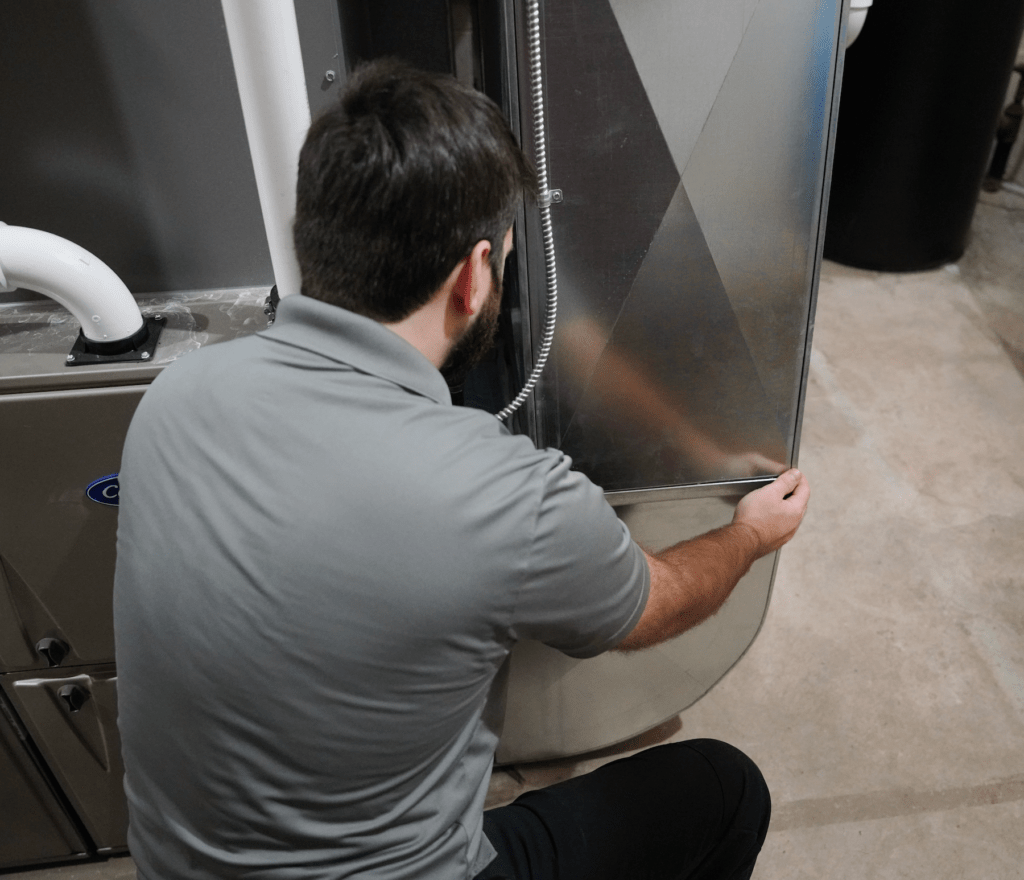
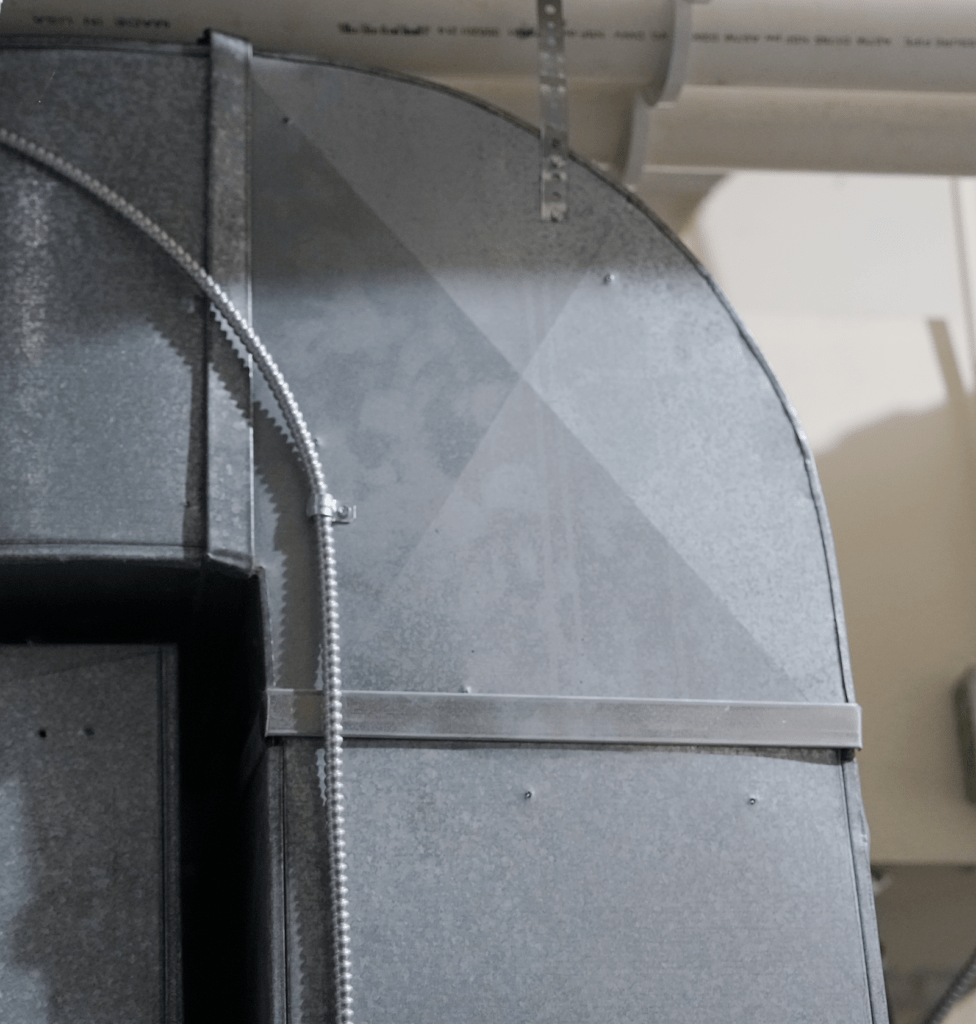
Tyler Heating & Cooling prioritizes optimal ductwork designs to ensure the airflow in your home or small business is working efficiently.
Duct Maintenance
During our seasonal tune-ups, Tyler Heating & Cooling will check ductwork and talk with homeowners and business owners about any issues they may have that could be caused by old or failing ductwork, such as improper airflow or rattling noises. We recommend spring inspections to prepare for summer cooling demands and identify any winter damage, and fall inspections to ensure your system is ready for the heating season. In the Greater Lansing area, where humidity levels can spike during summer months, we pay particular attention to return air ductwork and condensation issues. Our technicians can also assess whether your ducts are properly sealed and insulated for the coming season.
For over 20 years, Tyler Heating & Cooling has been providing our community with efficient, quality service. We prioritize the care of our community’s home comfort needs.
Frequently Asked Questions
Uneven heating or cooling in specific rooms is a common issue in Mid-Michigan homes, especially in older houses or those with long duct runs. This can be caused by blocked vents, damper position issues, leaky ducts, or undersized ductwork sections. In the Greater Lansing area, seasonal temperature swings and humidity changes can also affect how air distributes through your system. We recommend checking that all vents are fully open, inspecting visible ductwork for gaps, and having our professionals assess your damper settings and duct sealing needs.
Dust from vents usually indicates a dirty filter or breaches in your ductwork that allow unconditioned air to enter the system. Seasonal changes and humidity levels can increase dust accumulation in ducts. First, check and replace your air filter, as a clogged filter forces air through small gaps and can carry particles. If dust continues after a fresh filter, your ducts may need cleaning or sealing. This is especially important in homes with older ductwork, which often develops leaks over time in our variable climate.
Signs include higher than expected energy bills, rooms that are harder to condition, and visible gaps or separated duct sections in your attic, crawlspace, or basement. You may also notice inconsistent airflow between rooms. Leaks around joints and seams are very common and should be sealed with mastic or metal tape.
Duct insulation prevents heat loss or gain as air travels through unheated or uncooled spaces like attics, basements, and crawlspaces. In the Greater Lansing area, where winter temperatures drop well below freezing and summer heat is significant, uninsulated ducts lose conditioning efficiency dramatically. Insulation also helps prevent condensation on cooling ducts during humid Mid-Michigan summers. If your ducts in unconditioned spaces lack insulation or show exposed bare metal, adding insulation improves system efficiency and comfort significantly.
Return air ducts carry indoor air back to your furnace or air handler to be reconditioned. They are equally important as supply ducts for system balance and efficiency. Undersized return ducts force your system to pull air through gaps in walls and around doors, reducing efficiency and introducing unconditioned air. Adequate return air capacity ensures proper airflow throughout your HVAC system and prevents pressure imbalances that reduce comfort. Many homes benefit from additional return ducts or larger return openings to improve system performance.
Duct leakage occurs when air escapes from joints, seams, or holes in your ductwork before reaching the room it was intended to condition. In the Greater Lansing area, leaky ducts commonly lose air into attics, basements, and crawlspaces, forcing your furnace or air conditioner to work longer and consume more energy. Sealing ducts is one of the most effective ways to improve energy efficiency and comfort with older or poorly sealed ductwork.
Still have questions?
Give us a call
Highly-rated customer satisfaction
